
 Kontakt
 Wie einkaufen
Versand
Kaufberater
Hegemon's Tool Kit
 Englisch
 94 b
94 b
Kunden kauften auch




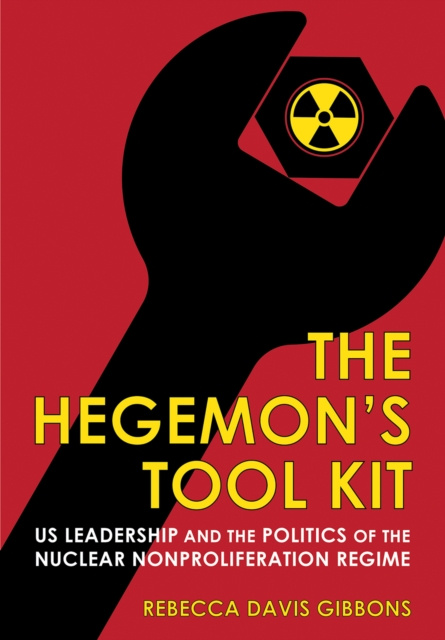
At a moment when the nuclear nonproliferation regime is under duress, Rebecca Davis Gibbons provides a trenchant analysis of the international system that has, for more than fifty years, controlled the spread of these catastrophic weapons. The Hegemon's Tool Kit details how that regime works and how, disastrously, it might falter. In the early nuclear age, experts anticipated that all technologically-capable states would build these powerful devices. That did not happen. Widespread development of nuclear arms did not occur, in large part, because a global nuclear nonproliferation regime was created. By the late-1960s, the United States and the Soviet Union had drafted the Treaty on the Non-Proliferation of Nuclear Weapons (NPT), and across decades the regime has expanded, with more agreements and more nations participating. As a result, in 2022, only nine states possess nuclear weapons. Why do most states in the international system adhere to the nuclear nonproliferation regime? The answer lies, Gibbons asserts, in decades of painstaking efforts undertaken by the US government. As the most powerful state during the nuclear age, the United States had many tools with which to persuade other states to join or otherwise support nonproliferation agreements. The waning of US global influence, Gibbons shows in The Hegemon's Tool Kit, is a key threat to the nonproliferation regime. So, too, is the deepening global divide over progress on nuclear disarmament. To date, the Chinese government is not taking significant steps to support the nuclear nonproliferation regime, and as a result, the regime may face a harmful leadership gap.


Informationen zum Buch
Englisch

Verschenken Sie dieses Buch noch heute
Es ist ganz einfach
1 Legen Sie das Buch in Ihren Warenkorb und wählen Sie den Versand als Geschenk 2 Wir schicken Ihnen umgehend einen Gutschein 3 Das Buch wird an die Adresse des beschenkten Empfängers geliefertDas könnte Sie auch interessieren



Hallo! Ich bin Libroamiko, dein Buchberater.
Wie kann ich dir helfen?