
 Kontakt
 Wie einkaufen
Versand
Kaufberater
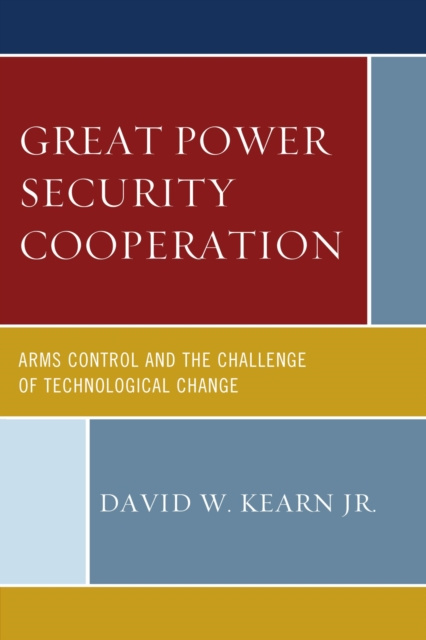
Great Power Security Cooperation
Arms Control and the Challenge of Technological Change
 Englisch
 352 b
352 b
Das könnte Sie auch interessieren








This book explains the conditions under which great powers are likely to cooperate to improve their security by engaging in qualitative arms control. In agreeing to limit or proscribe certain classes of weapons, states will constrain their military capabilities and therefore decrease the threat they pose to potential adversaries. Focusing on the expected military impact of technological change and the capacity of states to confidently monitor the activities of its negotiating partners, it may be possible to forge lasting agreements that improves the security of the participating states. However, at other times, the nature technological change may force states to engage in competitive behavior, precluding cooperation and increasing the probability of conflict. Examining a diverse set of cases, including the Washington Naval Conference, The World Disarmament Conference at Geneva, the Baruch Plan for the International Control of Atomic Energy, and the SALT I Accords (including the ABM Treaty), this volume presents a persuasive, comprehensive and interesting contribution to the literature on arms racing and arms control, and should be of interest to students of international relations theory and security studies. By presenting a theoretical-informed model that explicitly links the security strategies of states to their choices about development and deployment of new weapons and, consequently, their willingness to engage in arms control cooperation, this book provides an important refinement upon existing theoretical and historical approaches.


Informationen zum Buch
Englisch

Verschenken Sie dieses Buch noch heute
Es ist ganz einfach
1 Legen Sie das Buch in Ihren Warenkorb und wählen Sie den Versand als Geschenk 2 Wir schicken Ihnen umgehend einen Gutschein 3 Das Buch wird an die Adresse des beschenkten Empfängers geliefertHallo! Ich bin Libroamiko, dein Buchberater.
Wie kann ich dir helfen?