
 Kontakt
 Wie einkaufen
Versand
Kaufberater
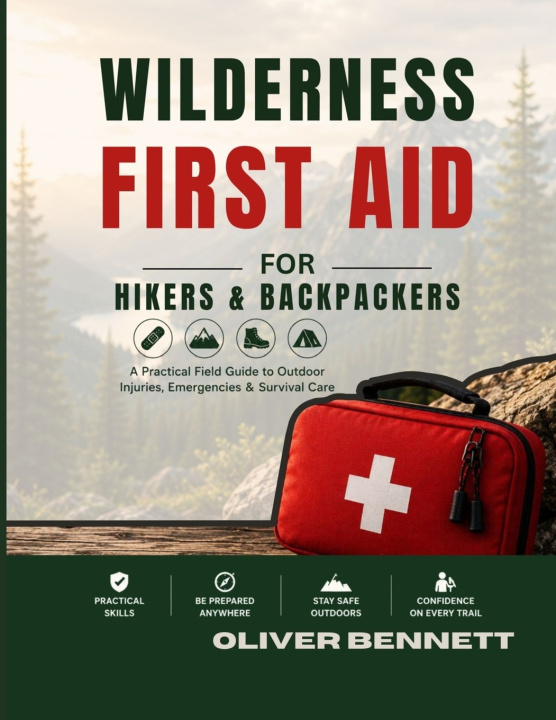
WILDERNESS FIRST AID FOR HIKERS & BACKPACKERS
A Practical Field Guide to Outdoor Injuries, Emergencies & Survival Care
 Englisch
 75 b
75 b
 Neu
Neu
Bis zu 30 Tage Rückgaberecht

When you're miles from the nearest road, trailhead, clinic, or emergency department, even a seemingly minor injury can become a serious problem.
A twisted ankle. A deep cut. A burn. Dehydration. Hypothermia. Heat disease. An allergic reaction. A fall on difficult ground.
In the backcountry, knowing what to do next matters.
Wilderness First Aid for Hikers & Backpackers is a practical field guide meant to help outdoor enthusiasts understand how to respond to common injuries, illnesses, and emergencies when professional medical care may not be immediately available.
Written in a clear, practical style, this guide focuses on preparation, recognition, basic response, monitoring, and evacuation decision-making-giving you a useful framework for staying calm and organized when something goes wrong outdoors.
Inside, you'll learn about:
- Preparing a practical first-aid kit for hiking and backpacking
- Assessing an injured or ill person in a remote setting
- Managing frequent cuts, scrapes, blisters, burns, and wounds
- Understanding sprains, strains, fractures, and other musculoskeletal problems
- Recognizing signs associated with heat-related and cold-related conditions
- Responding to dehydration and other common outdoor problems
- Handling insect bites, stings, and possible allergic reactions
- Understanding altitude-related issues and environmental hazards
- Responding to falls and other common trail accidents
- Protecting an injured person while arranging evacuation
- Making sensible decisions when conditions, distance, and weather complicate an emergency
- Organizing communication and emergency information before leaving home
- Preventing common injuries through better preparation and trail knowledge
Imagine reaching a remote campsite and finding that someone in your group has injured an ankle. Instead of immediately panicking, you can work through an organized assessment, consider the available resources, protect the injured person, and determine the safest next step.
Or imagine a quick change in weather during a long hike. Understanding environmental risks and recognizing warning signs early can help you make better decisions before a manageable problem becomes more difficult.
That's the purpose of this book.
It isn't about making a hiker into a doctor.
It's about helping you become better prepared, more observant, and more capable of responding appropriately until qualified medical assistance is available.
Whether you're a weekend hiker, backpacker, camper, outdoor guide, scout leader, adventure traveler, or someone building a serious backcountry preparedness kit, this guide can become a useful addition to your outdoor library.
Prepare before the trail. Stay calm during the emergency. Know when it's time to get help.
The wilderness rewards preparation-and the best time to learn what to do in an emergency is before the emergency happens.
Important note: This book is for educational and preparedness reasons and is not a substitute for professional medical training, diagnosis, or treatment. Emergency scenarios can be life-threatening. Follow current advice from qualified medical professionals and local emergency services whenever available.


Informationen zum Buch
Englisch

Verschenken Sie dieses Buch noch heute
Es ist ganz einfach
1 Legen Sie das Buch in Ihren Warenkorb und wählen Sie den Versand als Geschenk 2 Wir schicken Ihnen umgehend einen Gutschein 3 Das Buch wird an die Adresse des beschenkten Empfängers geliefertHallo! Ich bin Libroamiko, dein Buchberater.
Wie kann ich dir helfen?