
 Kontakt
 Wie einkaufen
Versand
Kaufberater
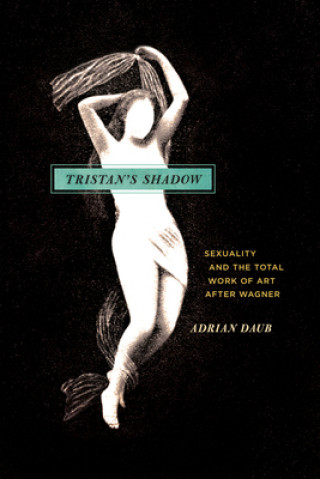
Tristan`s Shadow - Sexuality and the Total Work of Art after Wagner
 Englisch
 150 b
150 b
 Demnächst
 Termin unbekannt
Bis zu 30 Tage Rückgaberecht
Kunden kauften auch

 /
/
 Broschur
 10.69
€
10.69
€












 /
Broschur
43.39
€
/
Broschur
43.39
€


 /
Broschur
99.09
€
/
Broschur
99.09
€

Das Rheingold, Die Walkure, and Siegfried. Parsifal. Tristan und Isolde. Both revered and reviled, Richard Wagner conceived some of the nineteenth century's most important operatic productions - and created some of the most indelible characters ever to grace the stage. But over the course of his polarizing career, Wagner also composed nearly twenty volumes of writing on opera. His influential concept of Gesamtkunstwerk - the "total work of art" - famously and controversially offered a way to unify the different media of an opera into a coherent whole. Less well-known, however, are Wagner's strange theories on sexuality - like his ideas about erotic acoustics and the metaphysics of sexual difference. Drawing on the discourses of psychoanalysis, evolutionary biology, and other developing fields of study that informed Wagner's world, Adrian Daub traces the influence of Gesamtkunstwerk and eroticism from their classic expressions in Tristan und Isolde into the work of the generation of composers that followed, including Zemlinsky, d'Albert, Schreker, and Strauss. For decades after Wagner's death, Daub writes, these composers continued to grapple with his ideas and with his overwhelming legacy, trying in vain to write their way out from Tristan's shadow.


Informationen zum Buch
Englisch
Kategorie

Verschenken Sie dieses Buch noch heute
Es ist ganz einfach
1 Legen Sie das Buch in Ihren Warenkorb und wählen Sie den Versand als Geschenk 2 Wir schicken Ihnen umgehend einen Gutschein 3 Das Buch wird an die Adresse des beschenkten Empfängers geliefertDas könnte Sie auch interessieren
 /
Hardcover
63.29
€
/
Hardcover
63.29
€











 /
Broschur
20.09
€
/
Broschur
20.09
€










Hallo! Ich bin Libroamiko, dein Buchberater.
Wie kann ich dir helfen?