
 Kontakt
 Wie einkaufen
Versand
Kaufberater
The Omoluabi Matrix
 Englisch
 72 b
72 b
 Demnächst
 Neu
Neu
Bis zu 30 Tage Rückgaberecht

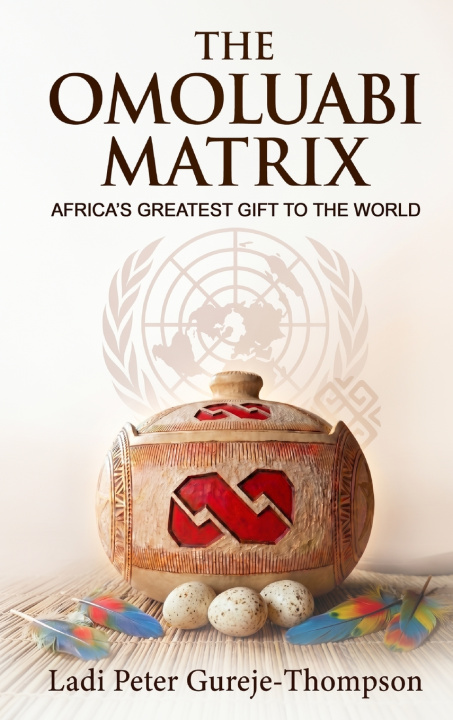
What can an ancient African philosophy teach the modern world about character, leadership, governance, and civilization?
The Omoluabi Matrix presents the Yoruba concept of Omoluabi as more than an ideal of personal character. Ladi Peter Gureje-Thompson argues that it represents an integrated civilizational framework; one encompassing moral formation, communal responsibility, governance, accountability, conflict resolution, and human development.
Beginning with the ancient civilization of Ile-Ife and the legacy associated with Oduduwa, the book examines the principles that shaped the Omoluabi citizen and explores the idea of binary complementarity: the understanding that apparent opposites can function as interdependent parts of a greater whole rather than as enemies destined for destruction.
The book then moves from history into governance, examining the institutions and traditions that placed limits on political power and emphasized accountability, stewardship, character, and service. It connects these principles to the political legacy of Chief Obafemi Awolowo and the remarkable development of Nigeria's Western Region during its "ten golden years."
Thompson also confronts the forces he believes have undermined African cultural confidence and political development, examining colonialism, historical narratives, political manipulation, religious conflict, terrorism, institutional failure, and the struggle over African identity and self-determination.
At the heart of the book is a challenge: Africa does not need merely to imitate models created elsewhere. It must recover, examine, refine, and apply the intellectual and cultural resources within its own civilizational heritage.
The Omoluabi Matrix is ultimately a work about character and civilization; about the relationship between the individual and the community, power and accountability, history and identity, and the possibility of building a political order grounded in human dignity.
For readers interested in African history, Yoruba philosophy, Pan-African thought, political leadership, governance, decolonization, and the future of African civilization, this book offers a provocative framework for reconsidering what Africa can contribute to the wider world.


Informationen zum Buch
Englisch

Verschenken Sie dieses Buch noch heute
Es ist ganz einfach
1 Legen Sie das Buch in Ihren Warenkorb und wählen Sie den Versand als Geschenk 2 Wir schicken Ihnen umgehend einen Gutschein 3 Das Buch wird an die Adresse des beschenkten Empfängers geliefertHallo! Ich bin Libroamiko, dein Buchberater.
Wie kann ich dir helfen?