Kontakt
 Wie einkaufen
Versand
Kaufberater
Name and Nature of Tragicomedy
 Englisch
 513 b
513 b
Bis zu 30 Tage Rückgaberecht
Kunden kauften auch














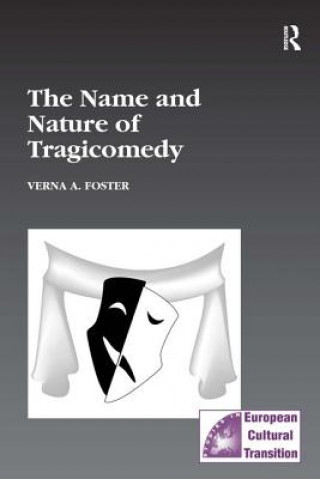
Focusing on European tragicomedy from the early modern period to the theatre of the absurd, Verna Foster here argues for the independence of tragicomedy as a genre that perceives and communicates human experience differently from the various forms of tragedy, comedy and the drame (serious drama that is neither comic nor tragic). Foster posits that, in the sense of the dramaturgical and emotional fusion of tragic and comic elements to create a distinguishable new genre, tragicomedy has emerged only twice in the history of drama. She argues that tragicomedy first emerged and was controversial in the Renaissance; and that it has in modern times replaced tragedy itself as the most serious and moving of all dramatic genres. In the first section of the book, the author analyses the name "tragicomedy" and the genre's problems of identity; then goes on to explore early modern tragicomedies by Shakespeare, Beaumont and Fletcher, and Massinger. A transitional chapter addresses cognate genres. The final section of the book focuses on modern tragicomedies by Ibsen, Chekhov, Synge, O'Casey, Williams, Ionesco, Beckett and Pinter. By exploring dramaturgical similarities between early modern and modern tragicomedies, Foster demonstrates the persistence of tragicomedy's generic markers and aims to provide a more precise conceptual framework for the genre than has so far been available.


Informationen zum Buch
Englisch

Verschenken Sie dieses Buch noch heute
Es ist ganz einfach
1 Legen Sie das Buch in Ihren Warenkorb und wählen Sie den Versand als Geschenk 2 Wir schicken Ihnen umgehend einen Gutschein 3 Das Buch wird an die Adresse des beschenkten Empfängers geliefertDas könnte Sie auch interessieren





 /
/
 Broschur
 7.99
€
7.99
€






 /
Hardcover
14.09
€
/
Hardcover
14.09
€