Kontakt
 Wie einkaufen
Versand
Kaufberater
 Englisch
 371 b
371 b
Bis zu 30 Tage Rückgaberecht
Kunden kauften auch













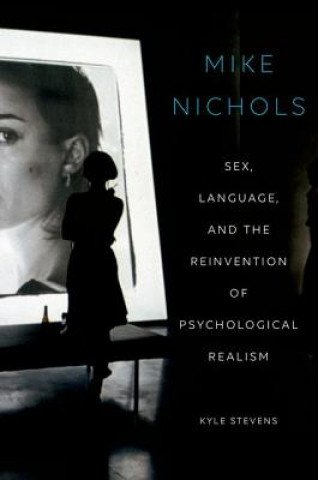
During the late 1960s and 1970s, as Film Studies crystallized into an academic discipline, psychological realism became linked to both classical Hollywood and continuity editing. The style was derided as theatrical, or worse, bourgeois, a product of a capitalism that valorized individual personality. This view persists, though often tacitly. However, we must attribute some degree of mindedness to any figure that we might call a character, even if that psyche is established not by a performer but by another aspect of the film, such as editing. Through the study of performer and director Mike Nichols, Kyle Stevens questions the aesthetic-ideological stance against psychological realism. He argues that characters' actions are not just filmed concepts but can be film concepts whose forms resonate politically. Nichols' oeuvre centers on moments when words and gestures cease to mean, or to mean in typical ways. In doing so, he exposes the pretense of tropes that constitute conventionally realist characters, and participates in changes in U.S. cultural attitudes toward language, subjectivity, embodiment, and the social, particularly with regard to sexual politics. This book thus sheds light on Hollywood history, historicizes Film Studies' turn away from humanism, and reassesses paradigms that hold psychological realism to be "transparent"-thereby blinding us to potentially subtle and subversive uses of this aesthetic choice.


Informationen zum Buch
Englisch

Verschenken Sie dieses Buch noch heute
Es ist ganz einfach
1 Legen Sie das Buch in Ihren Warenkorb und wählen Sie den Versand als Geschenk 2 Wir schicken Ihnen umgehend einen Gutschein 3 Das Buch wird an die Adresse des beschenkten Empfängers geliefertDas könnte Sie auch interessieren



 /
/
 Broschur
 36.89
€
36.89
€






 /
Hardcover
22.39
€
/
Hardcover
22.39
€
 /
Broschur
12.99
€
/
Broschur
12.99
€