
 Kontakt
 Wie einkaufen
Versand
Kaufberater
Guillain-Barre Syndrome
 Englisch
 40 b
40 b
 Neu
Neu
Bis zu 30 Tage Rückgaberecht

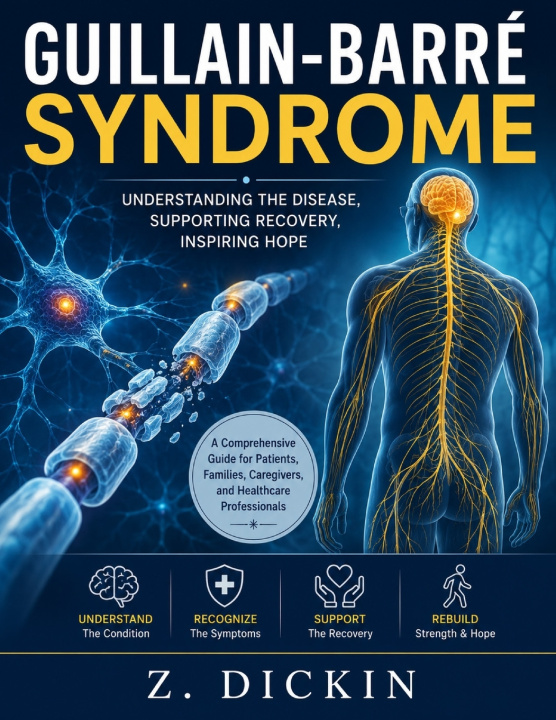
Guillain-Barré syndrome (GBS) is an uncommon but potentially life-threatening neurological disorder in which the immune system attacks components of the peripheral nervous system. The condition can develop rapidly, sometimes progressing from mild sensory symptoms to profound weakness, respiratory failure, and autonomic instability within a short period. At the same time, many affected individuals can achieve substantial recovery when the disease is recognized promptly and appropriate treatment and supportive care are provided.
This book has been written to provide a comprehensive and structured introduction to Guillain-Barré syndrome. It brings together the fundamental concepts of neuroanatomy, immunology, pathophysiology, clinical presentation, diagnosis, treatment, intensive-care management, complications, rehabilitation, prognosis, and future research.
The book begins with the historical development and basic concepts of GBS before progressing to the anatomy and physiology of the peripheral nervous system. Subsequent chapters examine the mechanisms through which infections and immune responses may contribute to nerve injury. Particular attention is given to molecular mimicry, antiganglioside antibodies, demyelination, axonal injury, and the different clinical and electrophysiological variants of the disease.
Diagnosis is an important focus of the book because GBS can resemble several other neurological disorders. Clinical examination, cerebrospinal-fluid analysis, nerve-conduction studies, electromyography, antibody testing, and appropriate differential diagnosis are discussed in a systematic manner.
Treatment is considered from both disease-specific and supportive perspectives. Intravenous immunoglobulin and plasma exchange are discussed alongside respiratory monitoring, mechanical ventilation, management of autonomic dysfunction, prevention of complications, nutritional support, pain management, and intensive-care principles.
Another major theme is rehabilitation. Recovery from GBS may extend over weeks, months, or longer. Physiotherapy, occupational therapy, speech and swallowing rehabilitation, mobility training, psychological support, and strategies for returning to daily activities are therefore essential parts of comprehensive care.
The final chapters consider prognosis, long-term complications, patient education, prevention, and emerging areas of research. Advances in immunology, biomarkers, targeted therapies, neuroregeneration, and personalized medicine may provide new opportunities for improving outcomes in the future.
This book is intended primarily as an educational resource for students, teachers, researchers, healthcare professionals, and readers seeking a systematic understanding of Guillain-Barré syndrome. It is not intended to replace professional medical advice, diagnosis, or treatment. Because clinical knowledge evolves continuously, readers should consult current clinical guidelines and qualified healthcare professionals when making medical decisions.
The study of GBS illustrates an important principle of modern medicine: understanding the interaction between the immune system and the nervous system can transform both diagnosis and treatment. Continued research and improved multidisciplinary care offer hope for better outcomes, reduced disability, and improved quality of life for people affected by this challenging neurological disorder.


Informationen zum Buch
Englisch
