
 Kontakt
 Wie einkaufen
Versand
Kaufberater
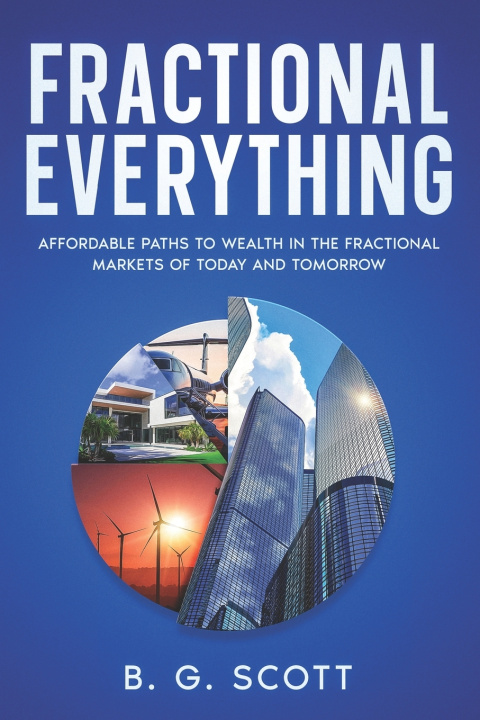
Fractional Everything
Affordable Paths to Wealth in the Fractional Markets of Today and Tomorrow
 Englisch
 40 b
40 b
 Neu
Neu
Bis zu 30 Tage Rückgaberecht

Many people understand that ownership can help build wealth. They see property producing rent, businesses earning profits, stocks increasing in value, and valuable rights generating income. They also see the price of entering those markets. A rental property may require a large down payment, financing, reserves, and continuing responsibility. A private business may require more capital than one person can risk. Art, farmland, aircraft, energy projects, equipment, royalties, and other potentially productive assets may cost hundreds of thousands or millions of dollars.
For people of modest means, the message can seem obvious: these markets belong to someone else. Saving a small amount does not appear to solve the problem. One hundred dollars looks insignificant beside the price of a building, business, airplane, or valuable work of art. Even a disciplined saver may feel that the distance between available money and meaningful ownership is too great to cross.
Fractional ownership creates another opportunity. When an asset, enterprise, project, or income-producing right can be divided into enforceable interests, an investor may be able to purchase a small part instead of the whole.
The important possibility is not merely owning a piece of something expensive. It is obtaining a documented right to participate in the income or value that the fraction may produce. This leads to the central idea of this book:
As fractional ownership expands, people of modest means may gain affordable access to a growing range of wealth-building assets that have often been available only to people with much more money. Every word in that statement matters-especially may.
Why the Word "May" Matters - fractional ownership does not guarantee access. An offering may be restricted by location, financial qualifications, age, regulation, or a seller's chosen minimum. Some assets may never be divided. Others may be available only to wealthy or institutional investors. Access does not guarantee quality. An affordable interest can be overpriced, poorly managed, burdened by debt and fees, or difficult to sell. Quality does not guarantee profit. A carefully structured investment can lose money because income falls, expenses rise, customers leave, technology changes, property values decline, or the underlying venture fails.
For that reason, this book does more than describe interesting assets. It explains what genuine fractional investment ownership should provide and examines how investors might receive income or participate in an increase in value. It reviews benefits, risks, fees, debt, management, reporting, liquidity, technology, and investor access in the United States and elsewhere. It also provides a practical qualification screen and scorecard for examining new opportunities.
The book is written especially for people who believe they do not have enough money to begin investing. It frequently uses $100 as an example, while recognizing that some people may need to begin with less, contribute irregularly, or skip a month when money is needed elsewhere. It does more than describe interesting assets. It explains what genuine fractional investment ownership should provide and examines how investors might receive income or participate in an increase in value. It covers opportunities in the United States and elsewhere.


Informationen zum Buch
Englisch
