Kontakt
 Wie einkaufen
Versand
Kaufberater
 Englisch
 182 b
182 b
30 Tage für die Rückgabe der Ware
Kunden kauften auch



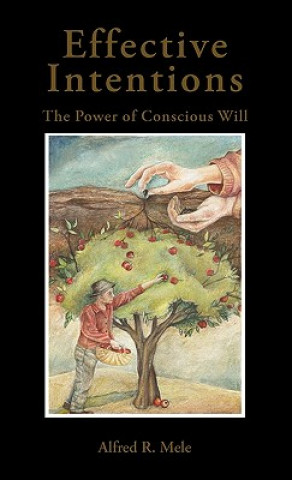
Each of the following claims has been defended in the scientific literature on free will and consciousness: your brain routinely decides what you will do before you become conscious of its decision; there is only a 100 millisecond window of opportunity for free will, and all it can do is veto conscious decisions, intentions, or urges; intentions never play a role in producing corresponding actions; and free will is an illusion. In Effective Intentions Alfred Mele shows that the evidence offered to support these claims is sorely deficient. He also shows that there is strong empirical support for the thesis that some conscious decisions and intentions have a genuine place in causal explanations of corresponding actions. In short, there is weighty evidence of the existence of effective conscious intentions or the power of conscious will. Mele examines the accuracy of subjects' reports about when they first became aware of decisions or intentions in laboratory settings and develops some implications of warranted skepticism about the accuracy of these reports. In addition, he explores such questions as whether we must be conscious of all of our intentions and why scientists disagree about this. Mele's final chapter closes with a discussion of imaginary scientific findings that would warrant bold claims about free will and consciousness of the sort he examines in this book.


Informationen zum Buch
Englisch
Kategorie