
 Kontakt
 Wie einkaufen
Versand
Kaufberater
 Englisch
 183 b
183 b
Bis zu 30 Tage Rückgaberecht
Das könnte Sie auch interessieren

 /
/
 Hardcover
 201.49
€
201.49
€


 /
Broschur
16.39
€
/
Broschur
16.39
€
 /
Hardcover
133.89
€
/
Hardcover
133.89
€





 /
Broschur
23.89
€
/
Broschur
23.89
€







 /
Broschur
10.89
€
/
Broschur
10.89
€






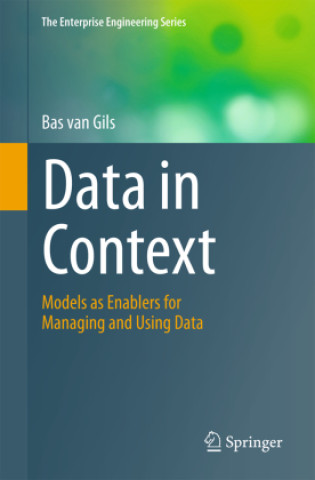
Data is an increasingly important asset for many organizations. This book shows how to model data in a way that allows to exploit this asset effectively and in every respect. To this end, it combines and exploits scientific (semiotics, relational model, etc.) and pragmatic theories (most prominently: the DAMA wheel) and provides a coherent overview from a business and an IT/ICT perspective.After a brief introduction, the remaining book consists of three parts. In Part I "Data", the focus is on understanding data. It includes theories in semiotics, the relational model, and normalization, as well as related theories around understanding data/designing sound data structures. This part is complemented by an extensive chapter on how to design effective data structures and a smaller one on the topic of create versus use context. Part II "Data Management" then focuses on managing data as an asset. This part is based on the DMBOK and each of the functional areas is discussed in a separate chapter. Part III "Parting Thoughts" presents conclusions which are based on a synthesis of Part I and Part II, leading up to a summary of the main contributions of this book as well as a critical reflection on these results.This book is written for a rather broad audience, ranging from professionals to students, both from business, computer science, and information management. The writing style is adjusted specifically for these groups. At the end of each chapter reflection questions are included that distinguish between questions for practitioners and for students and help both audiences to benefit from the book and check their comprehension.


Informationen zum Buch
Englisch

Verschenken Sie dieses Buch noch heute
Es ist ganz einfach
1 Legen Sie das Buch in Ihren Warenkorb und wählen Sie den Versand als Geschenk 2 Wir schicken Ihnen umgehend einen Gutschein 3 Das Buch wird an die Adresse des beschenkten Empfängers geliefertHallo! Ich bin Libroamiko, dein Buchberater.
Wie kann ich dir helfen?