
 Kontakt
 Wie einkaufen
Versand
Kaufberater
CHRISTMAS EVE
A Journey Through the Traditions and Spirit of 19th Century Italy
 Englisch
 27 b
27 b
Bis zu 30 Tage Rückgaberecht

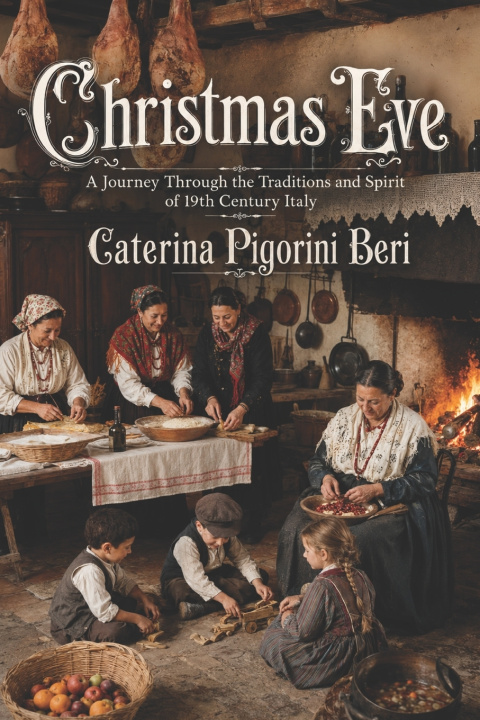
Christmas Eve - A Journey Through the Traditions and Spirit of 19th Century Italy
Through her ethnographic work, Caterina Pigorini Beri documents the rich folkloric heritage of late 19th-century Italy. The text offers a vivid portrayal of Christmas traditions in the Marche Apennines, blending accurate ethnographic research with an intimate, first-person narrative. The author acts as an educated alter ego who observes a rural world on the brink of being leveled by modern civilization. The account centers on a snowy Christmas Eve journey, during which the protagonist visits various peasant households to witness their time-honored rituals, shared values, and profound religiosity.
The central symbol of this festive night is the colossal log, the focal point of the home hearth. It must remain religiously preserved and lit, as its blessed ash and remaining embers are later spread across fields to ward off storms and pests. The celebration revolves around an abundant, multi-course Christmas dinner featuring specific traditional foods, most notably the consecrated celery-the classic food of the region. Other ritual dishes include legumes, macaroni with nuts, and roasted cod. Alongside these culinary habits, the rural communities practice unique forms of domestic divination passed down through generations. Elders like the wise old man Pacino calculate the capomesi-a twelve-day weather-prediction system starting on Saint Lucia's Day-and the patta, a complex lunar alignment method used to harmonize the solar and lunar calendar years.
The narration highlights the deep communal bonds and solidarity within these small villages, where neighbors share food and comfort during times of hardship. The intense humanity of the local characters is captured through their distinct dialect expressions and idioms. During the traditional vigils, the villagers engage in lighthearted conversations, sharing tales reminiscent of Boccaccio about gluttonous friars and planning New Year's pranks. These moments of joy contrast sharply with scenes of deep grief and maternal anguish, exemplified by the poor widow Carminella. Mourning her recently deceased son Checchino, Carminella finds solace solely in her unwavering faith and the recitation of the rosary, believing her son's soul interceded to heal her ailments.
As midnight approaches, festive bell ringing echoes across the mountains, summoning the community to midnight mass where young girls eagerly listen to pastorals. The protagonist travels through the darkness guided by different lanterns, reflecting on the universal nature of these domestic rites. Ultimately, the text presents Christmas Eve as a powerful metaphor for a fading era. It serves as a philosophical exploration of the moral process of sentiment, illustrating how the core of peasant civilization rests upon three unshakeable pillars: the home, tradition, and faith.


Informationen zum Buch
Englisch
Kategorie

Verschenken Sie dieses Buch noch heute
Es ist ganz einfach
1 Legen Sie das Buch in Ihren Warenkorb und wählen Sie den Versand als Geschenk 2 Wir schicken Ihnen umgehend einen Gutschein 3 Das Buch wird an die Adresse des beschenkten Empfängers geliefertHallo! Ich bin Libroamiko, dein Buchberater.
Wie kann ich dir helfen?