
 Kontakt
 Wie einkaufen
Versand
Kaufberater
 Englisch
 40 b
40 b
 Neu
Neu
Bis zu 30 Tage Rückgaberecht

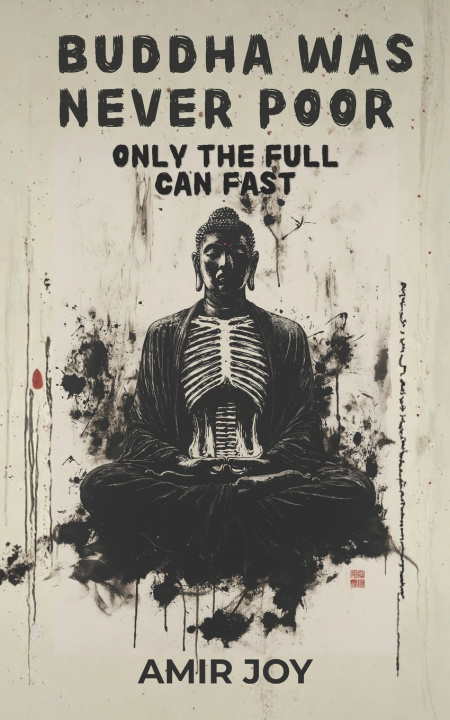
Every great tradition of renunciation - Buddhist, Stoic, Christian, Sufi, Jain, and the modern mindfulness industry that descends from them - was composed by people who had eaten. The Buddha left a palace. Marcus Aurelius wrote his Meditations from inside the Roman imperial purple. Epictetus, lame and freed, ran a school that drew paying students from across the empire. al-Ghazali resigned a tenured professorship to pursue poverty in stages. Each of them then sent the doctrine downward, where it found people who had never had the choice.
This book is the history of that move. Across eight chapters that travel from the Vedas to the Mahad water tank, from a thirteen-year-old Egyptian boy running in the noon heat of a Cairo Ramadan to a Google panel in San Francisco selling executive mindfulness while the room is rushed by protesters carrying eviction notices, Amir Joy traces how an idea written by the fed has been prescribed for two and a half thousand years to the hungry. The book takes the neuroscience of wanting and liking seriously. It takes seriously what fasting actually does to a body that did not choose it. And it does not soften the cost of pretending those two things are the same.
This is not a brief against spiritual seriousness. The Upanishadic sages, Mahavira, Antony of the Desert, al-Ghazali - these were not frauds. The argument is that none of them speak for, or to, the people their followers spent two millennia handing the doctrine down to.
Buddha was never poor. Only the full can fast.


Informationen zum Buch
Englisch

Verschenken Sie dieses Buch noch heute
Es ist ganz einfach
1 Legen Sie das Buch in Ihren Warenkorb und wählen Sie den Versand als Geschenk 2 Wir schicken Ihnen umgehend einen Gutschein 3 Das Buch wird an die Adresse des beschenkten Empfängers geliefertHallo! Ich bin Libroamiko, dein Buchberater.
Wie kann ich dir helfen?